The forgotten history of Jews and Muslims needs to be recovered in order to challenge a multitude of dangerous false assumptions that exacerbate the conflict between Israelis and Palestinians.
November 18, 2023
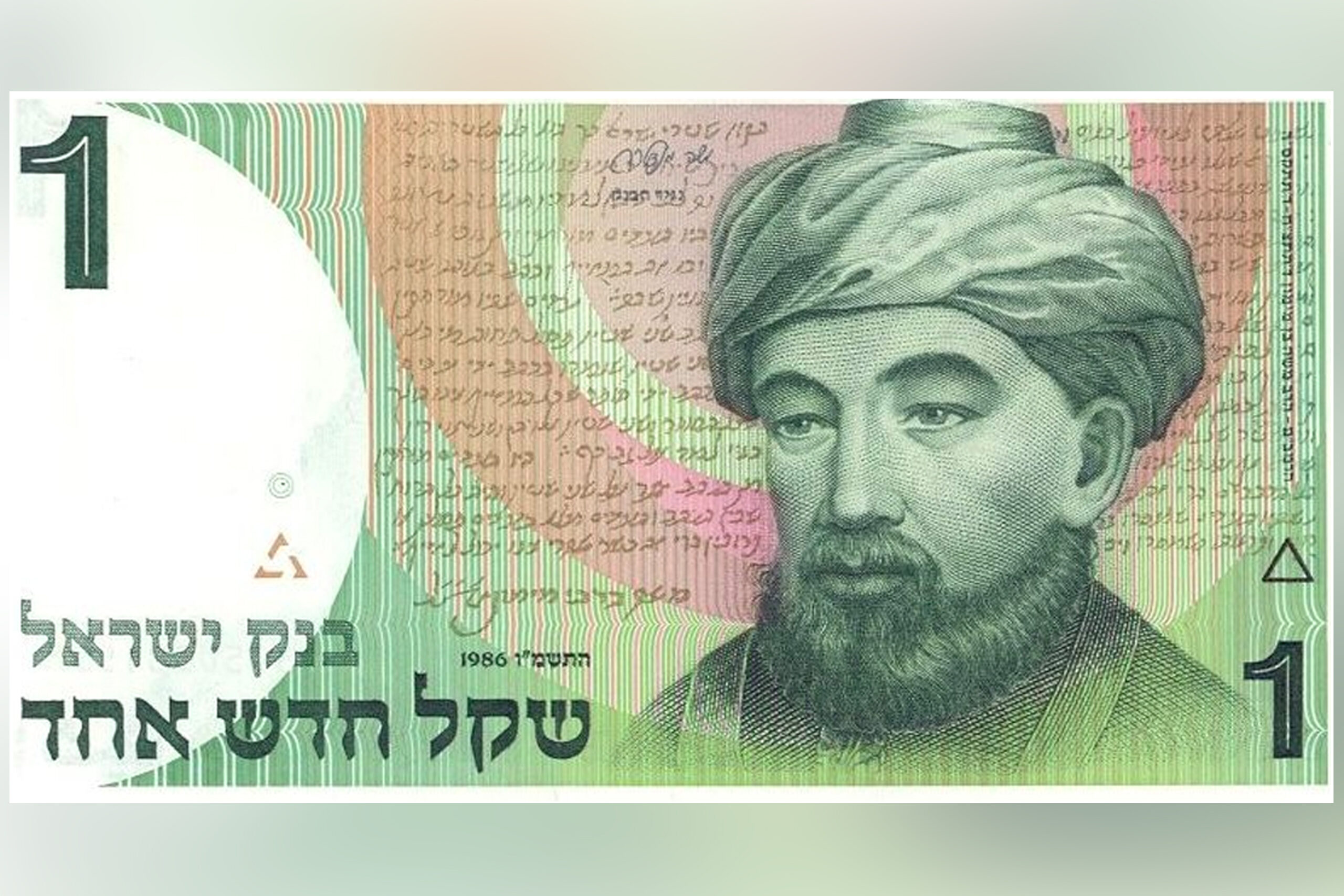

The forgotten history of Jews and Muslims needs to be recovered in order to challenge a multitude of dangerous false assumptions that exacerbate the conflict between Israelis and Palestinians.
Like prophetic times of old, the world is abuzz with talk of the apocalypse. For die-hard believers, the Rapture of the Second Coming promises a long-awaited reunion with the Lord…
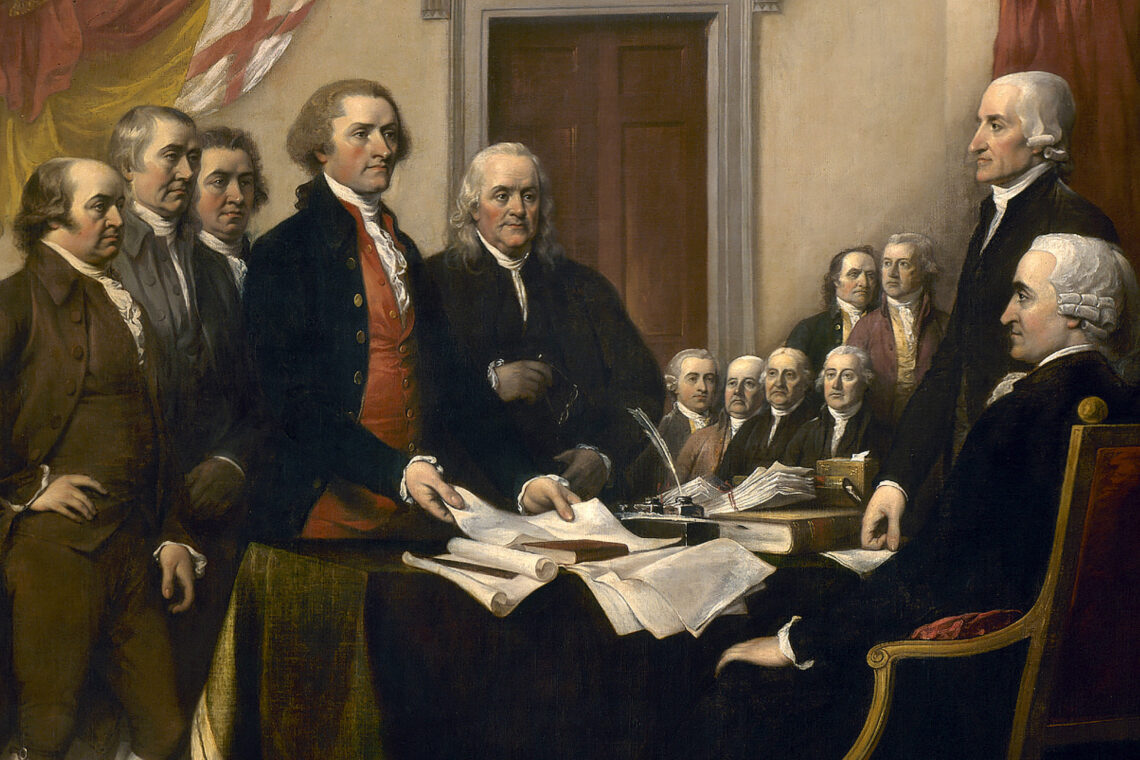
Having long been an admirer of the American Revolution as a landmark event in human history, one that awakened the nations of the earth to the priceless promise of freedom,…
Can we ever talk about evolution when we know, as the Italian biologist Telmo Pievani tells us in Imperfection: A Natural History, that human beings are shoddily made creatures, reservoirs…

On February 28, 2023, the print edition of the New York Times published a review of Florida’s governor Ron DeSantis’ book The Courage to Be Free. The Times reviewer, Jennifer…
At long last, a distinguished professor publishing with a major academic press, has defied the canons of scholarship, with their stale-and-dry tones (the various bloodless styles that pass for the…
To those who reject the notion that much of our reality is a social construction, welcome to the world of fatherhood. For the strongly democratic minded, fatherhood may feel like…
When it comes to Donald Trump, two fundamental questions have kept many of us up late far too many nights over the last four years. First, what makes Trump so…
I was perhaps 13 or 14 when I first met Muhammad Asad, alias Leopold Weiss, the distinguished journalist and author of The Road to Mecca (1952)—a memoir of his mid-century travels in…
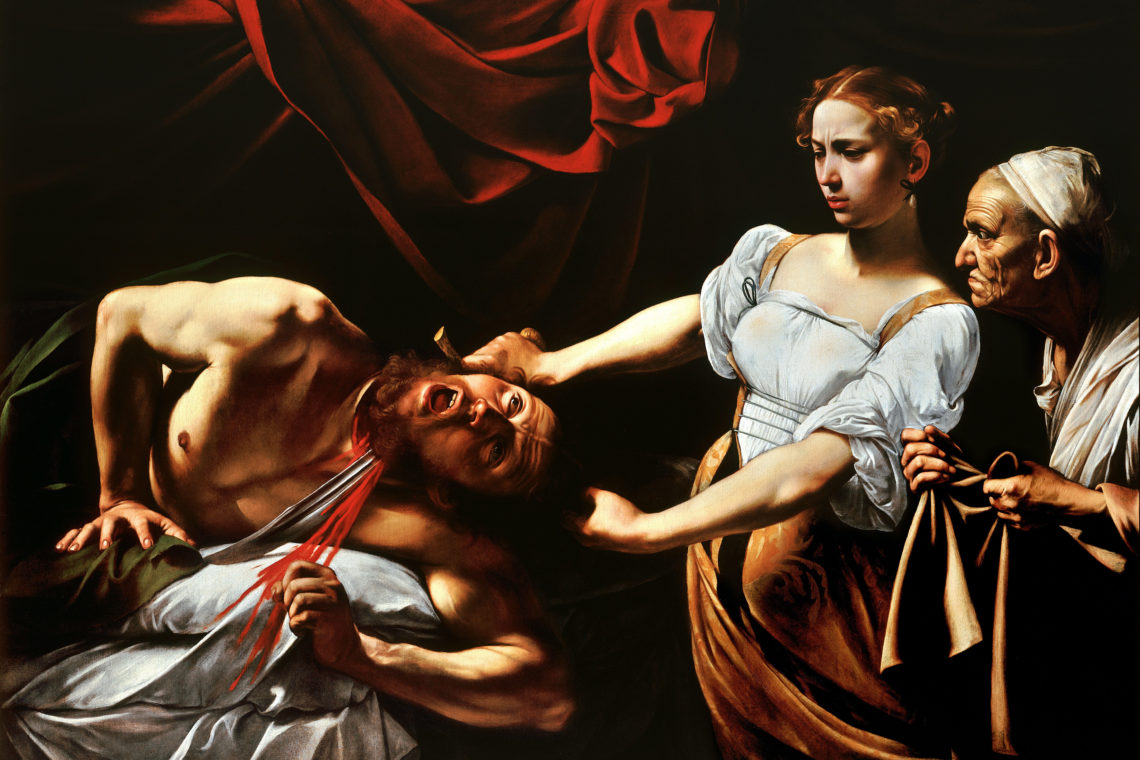
As a keen museumgoer, I have spent countless hours looking at paintings of beautiful Jewish women. Yet until recently I had not realized that the motif of the beautiful Jewess is a recurrent and evolving trope in Western literature and the visual arts.
Anouar Majid is the editor of Tingis magazine.